
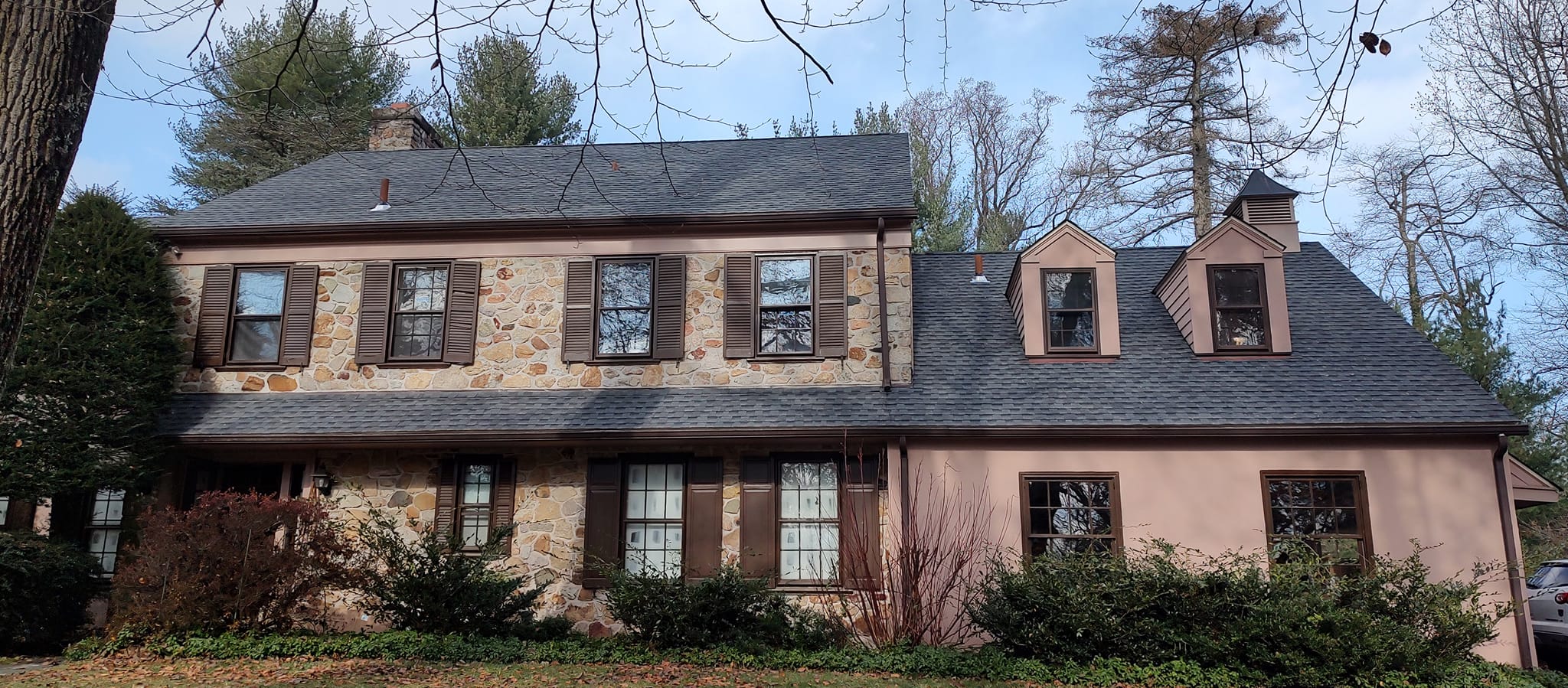
If you’re a Bucks County homeowner wondering how to tell if roof needs replaced before the first hard freeze, early fall is the perfect time to look. Winter here brings freeze-thaw cycles, ice, and wind-driven storms that turn small roof problems into major leaks overnight. The good news is that most of the signs you need a new roof are visible from the ground or a quick attic check. Below we walk through seven warning signs, what each one really means, and how to decide between a simple repair and a full roof replacement. If anything here sounds familiar, you can book a free fall roof inspection with KPI Jr Exteriors and head into winter with confidence.
7 Signs You Need a New Roof
You don’t need to climb a ladder to spot most of these. Grab a pair of binoculars, take a slow walk around your house, and pop your head into the attic on a bright day. Here is how to tell if roof needs replaced this season:
- Curling, cupping, or missing shingles. Shingles that lift at the edges, buckle in the middle, or have gone missing altogether can no longer shed water the way they should. A few can often be replaced, but widespread curling usually means the roof is nearing the end of its life.
- Granules collecting in your gutters. Those coarse, sand-like granules are the shingle’s sunscreen. When you find piles of them in your gutters or at the base of downspouts, the shingles are wearing thin and becoming brittle, especially on older roofs.
- Daylight or water stains in the attic. If you can see thin shafts of daylight through the roof boards, water is getting in too. Dark streaks or damp insulation point to an active leak that will only get worse once snow starts to melt and refreeze.
- A sagging roof deck. A roofline that dips or looks wavy instead of straight is a sign that moisture has weakened the decking underneath. This one is more serious and should be looked at promptly before the added weight of snow and ice.
- Moss or algae growth. Green moss and dark algae streaks are common on shaded, north-facing slopes around here. They hold moisture against the shingles, and in freezing weather that trapped water can lift and crack them.
- A roof that is 20 or more years old. Most asphalt shingle roofs are built to last around two decades. If yours is in that range, even without obvious damage, it’s smart to have it evaluated so you’re not caught off guard mid-winter.
- Interior ceiling stains or leaks. Yellow-brown rings on ceilings or upstairs walls mean water has already worked its way inside. By the time it shows on the ceiling, the problem on the roof has usually been building for a while.
Repair or Replace? How to Read the Signs
Not every warning sign means you need a brand-new roof. If the damage is limited to one small area, such as a handful of shingles that blew off in a storm or a single flashing leak around a chimney, a targeted repair is often the right call. Replacement tends to make more sense when problems are widespread, the roof is well into its third decade, or you’re repairing the same spots year after year. A sagging deck, granule loss across the whole roof, and leaks in more than one place usually tip the scale toward replacement. The honest way to know is a proper look from someone who does this every day, so you can weigh the cost of a patch against the value of a fresh start. You can see the full range of options on our roofing and exterior services page.
Why Fall Timing Matters in Bucks County
Roof work is far easier and less stressful in mild autumn weather than in the middle of a January storm. Shingles seal best in moderate temperatures, crews can work safely without ice underfoot, and you have time to plan rather than scramble. Handling a repair or replacement now means you head into the coldest months with a roof that’s ready for wind, snow, and freeze-thaw swings. Waiting until a leak shows up during a cold snap often means emergency pricing, tarps, and interior water damage on top of the roof itself. Getting ahead of it is simply the calmer, more affordable path.
What a Free Fall Roof Inspection Includes
A good inspection takes the guesswork out of it. When KPI Jr Exteriors comes out, we look at the things that actually matter heading into winter:
- A close look at shingle condition, curling, and any missing or damaged pieces.
- A check of flashing around chimneys, vents, and valleys where leaks often begin.
- An assessment of gutters and granule buildup that signals shingle wear.
- An attic and interior check for daylight, moisture, and ceiling staining where it’s accessible.
- A plain-English summary of what we found and clear, honest guidance on repair versus replacement.
You get a straightforward picture of where your roof stands, with no pressure and no jargon, so you can make the right decision for your home and budget.
A Local Team That Knows Our Winters
Based in Fairless Hills, KPI Jr Exteriors serves homeowners across Bucks County and South Jersey, so we know exactly what our roofs are up against once the temperature drops. We’ve seen how quickly a small leak becomes a big one when ice and snow arrive, and we’d much rather help you catch it in October than in January. You can see the full list of communities we cover on our areas we serve page, and learn more about our approach on our home page.
If any of these seven signs sound like your roof, don’t wait for winter to force the decision. Schedule your free fall roof inspection with KPI Jr Exteriors today, and go into the cold season knowing your roof is ready.