
A hailstorm just rolled through Bucks County, and now you’re standing outside trying to figure out what actually got damaged. Roof, siding, gutters, it all starts to feel uncertain.
This guide breaks down what hail damage roof siding gutters really looks like in simple terms. You’ll learn what you can safely check from the ground, what signs actually matter, and when it makes sense to call for a professional inspection before small storm damage turns into bigger repairs.
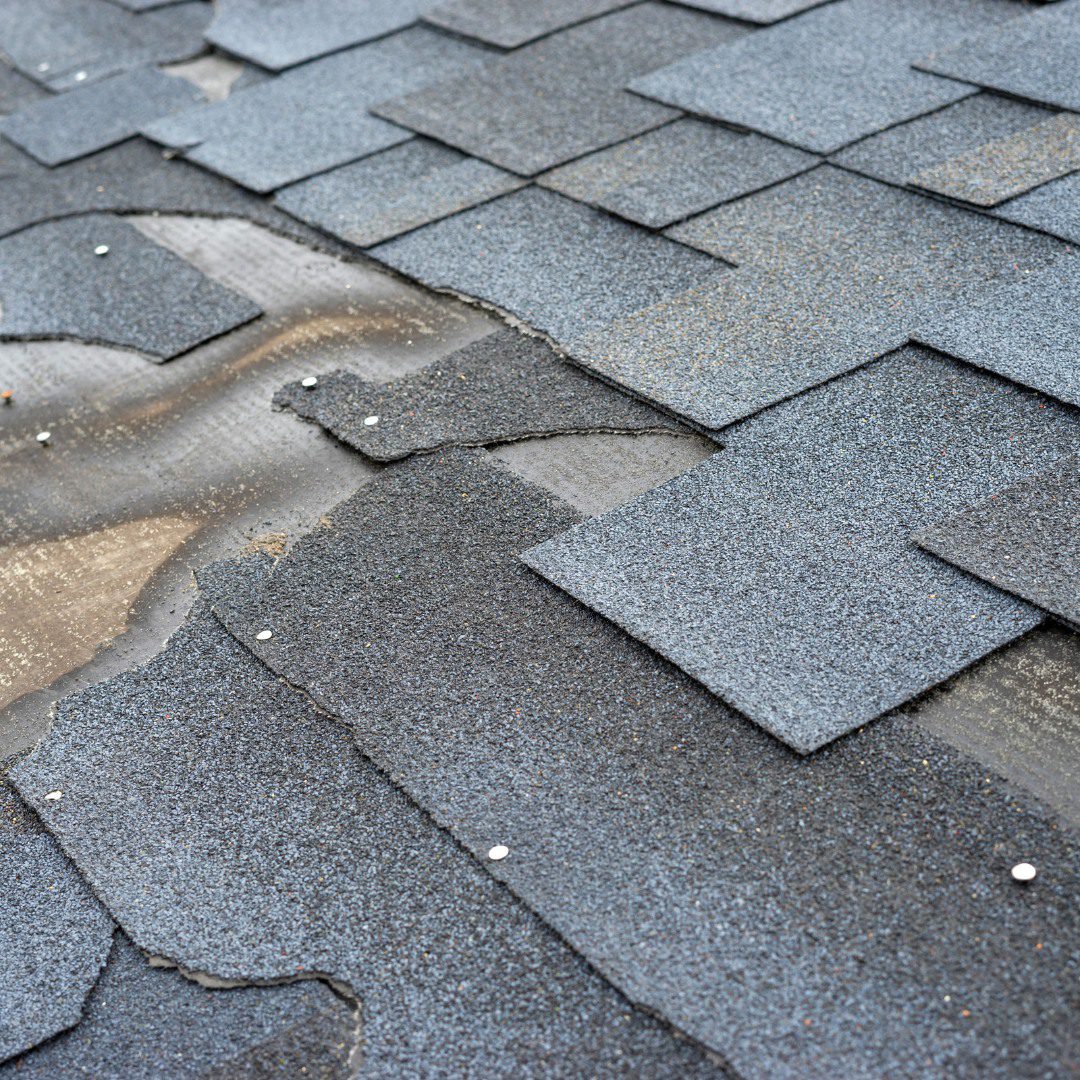
Signs of Hail Damage by Surface
Use this quick checklist before walking around your home.
| Area | Common Hail Damage Signs |
|---|---|
| Roof | Granules in gutters, dings on flashing, damaged ridge caps, missing or bruised shingles |
| Siding | Dents, cracks, chips, holes, loose panels, storm-facing wall damage |
| Gutters | Dented gutter runs, bent downspouts, granules in elbows, splash marks below |
| Metal surfaces | Dings on vents, flashing, fascia, trim, and downspouts |
| Ground-level clues | Shingle granules, broken pieces of siding, damaged plants, torn screens |
This does not replace a professional inspection. It simply helps you decide whether the storm left enough evidence to take the next step.
First: What to Do Before You Look
Start simple and stay safe with safety. Do not climb onto the roof after a storm. Wet shingles, loose granules, and hidden damage can make the surface slippery.
Once old siding is removed, a contractor has opportunity to inspect what underneath.
Instead:
- Walk the property in daylight
- Take photos of anything unusual
- Check for loose shingles, cracked siding, or dented gutters
- Look around downspouts for debris or granules
- Note the storm date and time
Also check your attic or upper rooms for new water stains. A roof can look fine from the yard and still have damage that needs attention.
Hail Damage on Roofs: What’s Visible From the Ground
Roof damage is the hardest to judge safely. Many hail marks are not visible from the driveway, especially on darker shingles or steeper roof slopes.
Still, you may notice clues from the ground.
- Granules in gutters or downspouts
Look for shingle granules collecting in gutters, downspouts, or splash blocks. Granules protect asphalt shingles from sun exposure. After a hail event, sudden granule loss can mean the shingles took an impact.
- Dings on metal surfaces
Check metal parts you can see safely. Hail often leaves small round dings on flashing, vents, metal valleys, fascia, or gutter tops. If soft metal parts are dented, your shingles may have taken hits too.
- Ridge caps and roof edges
From an upper window, look at ridge caps and roof edges. Ridge caps can show damage sooner because they sit high and take direct impact. Missing shingles, lifted tabs, or exposed underlayment are also warning signs.
But here’s the honest part: most roof hail damage needs a trained inspection. A shingle can be bruised without looking dramatic from the ground. That is why a hail damage roof inspection is the safer choice if you see several warning signs or if hail was large enough to dent metal around the home.

KPI Jr Exteriors’ residential roofing page notes that the company offers free inspections for homeowners who are unsure about roof condition, and it serves Bucks, Montgomery, Chester, and nearby counties.
Hail Damage on Siding
Siding damage is often easier to spot than roof damage because it is closer to eye level.
Start with the side of the home that faced the storm. In many hail events, the worst damage appears on one or two sides, often where wind pushed hail directly into the wall.
Vinyal siding
- Cracks or split edges
- Chips along panel seams
- Small holes or half-moon breaks
Aluminum siding
- Round dents or dimples
- Paint chipping around impact points
Fiber cement or wood
- Surface cracks
- Chips or impact marks
- Split edges on older material
On vinyl siding, hail may leave cracks, chips, or small holes. You may see half-moon breaks along the lower edge of a panel. Older or brittle siding can split more easily.
On aluminum siding, look for round dents. They may look like shallow dimples across a storm-facing wall. Paint may also chip around the impact point.
Fiber cement or wood siding may show chips, cracks, or impact marks, depending on the size and speed of the hail.
Look low first. Bottom rows of siding can show damage earlier because hail bounces off hard surfaces like decks, patios, steps, or landscaping. Also check around windows, trim, shutters, and outdoor fixtures.
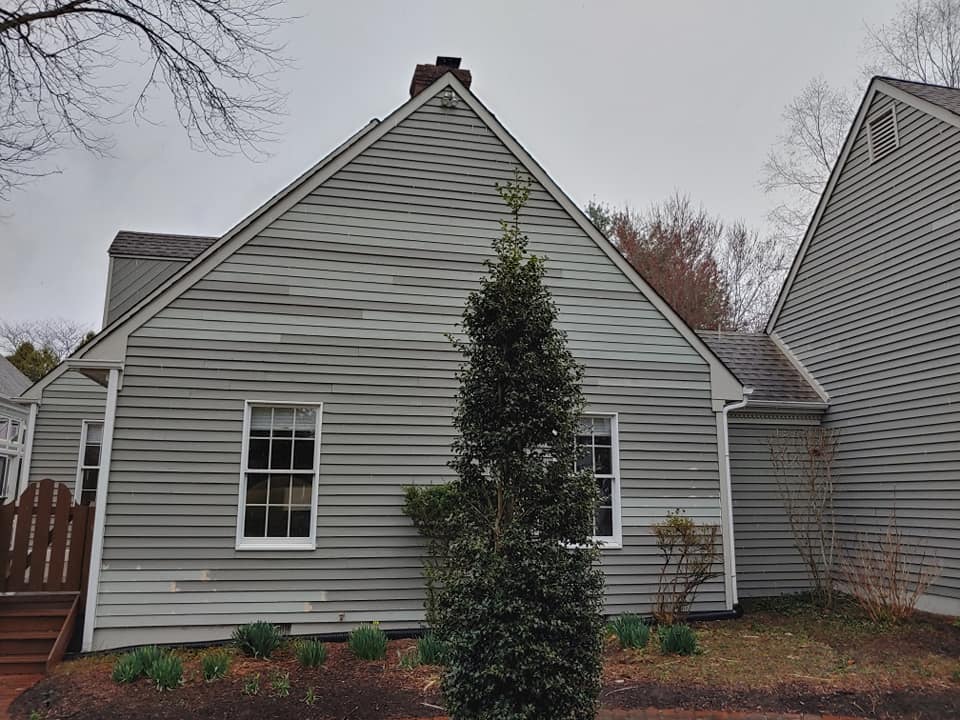
If you find cracks, loose panels, or storm damage on multiple sides of the home, KPI Jr’s siding installation and repair services may help determine whether the issue can be patched or whether replacement makes more sense.
Hail Damage on Gutters and Downspouts
Gutters often tell the story of a hailstorm.
Check the top of horizontal gutter runs. Hail may leave round dents along the upper face or top lip. These marks are sometimes easier to see when the sun hits at an angle.
Downspouts can also show impact marks, especially on the storm-facing side. Look for bends, dents, loose brackets, or sections pulled away from the wall.
Then check what’s inside and below the system. Shingle granules may collect in gutter elbows, downspout exits, or splash zones. If you see a pile of gritty black or gray granules after the storm, take photos.
Also look for leaks at seams or corners during the next rain. Hail can loosen fasteners or worsen weak points in older gutter systems.
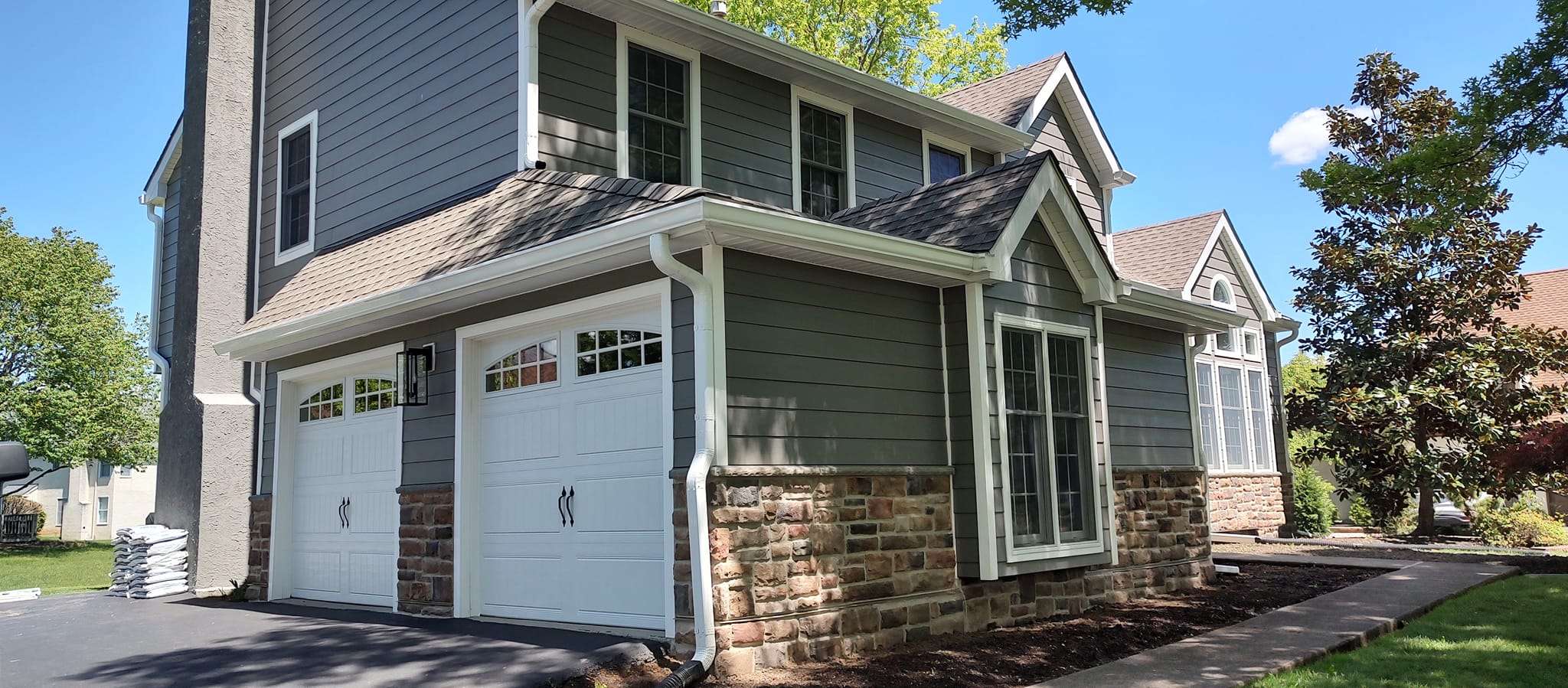
If the gutters are dented, leaking, or no longer moving water away from the home, KPI Jr Exteriors provides gutter installation and repair across Pennsylvania and New Jersey. Their gutter page confirms installation, repair, replacement, and maintenance services for homeowners in Bucks County and surrounding areas.
What Hail Damage Doesn’t Look Like
Not every mark after a storm is hail damage.
This is where homeowners often get misled.
- Aging shingles look faded or evenly worn
- Tree damage usually leaves long scrape lines
- Manufacturing defects create irregular patterns
- Animal damage affects edges, not random surfaces
Real hail damage usually appears as scattered, round impact marks concentrated on storm-facing sides.
If you’re unsure, don’t guess. A proper inspection helps separate hail damage from normal wear so you don’t risk a wrong insurance claim.
Why Timing Matters for Insurance
Insurance timing matters after a hail event.
Many policies require homeowners to report damage within a certain period after the storm. Some policies may allow up to a year, while others may be shorter. The exact rule depends on your policy, not a general online answer.
What helps:
- Photos taken immediately after the storm
- Storm date and notes
- Records of leaks or interior changes
That is why documentation helps. Take photos. Save the storm date. Keep notes about leaks, interior stains, and visible exterior damage.
Do not wait months if you suspect storm damage Bucks County homeowners may have experienced after a major hail event. Small roof damage can turn into leaks, and late claims can become harder to support.
A prompt inspection gives you a clearer answer before you decide whether a claim is worth filing.
What to Do Next
If you see hail damage signs on your roof, siding, or gutters, take the next step calmly.
Start with photos from the ground. Do not climb the roof. Then get a written inspection or estimate before signing anything. Avoid contractors who pressure you to file a claim before anyone has verified the damage.
KPI Jr Exteriors offers exterior services across Bucks County, Montgomery County, Philadelphia County, Chester County, and several New Jersey counties. Their area’s page lists service coverage across Pennsylvania and New Jersey, including Bucks, Montgomery, Chester, Philadelphia, Mercer, Burlington, Camden, and other counties.
You can schedule a free inspection through the contact page and share what you noticed after the storm. The form lets homeowners select roofing, siding, gutters, or multiple services, and includes county fields for Bucks County and nearby service areas.